
Japandi Style: The interior trend that unites minimalism and elegance
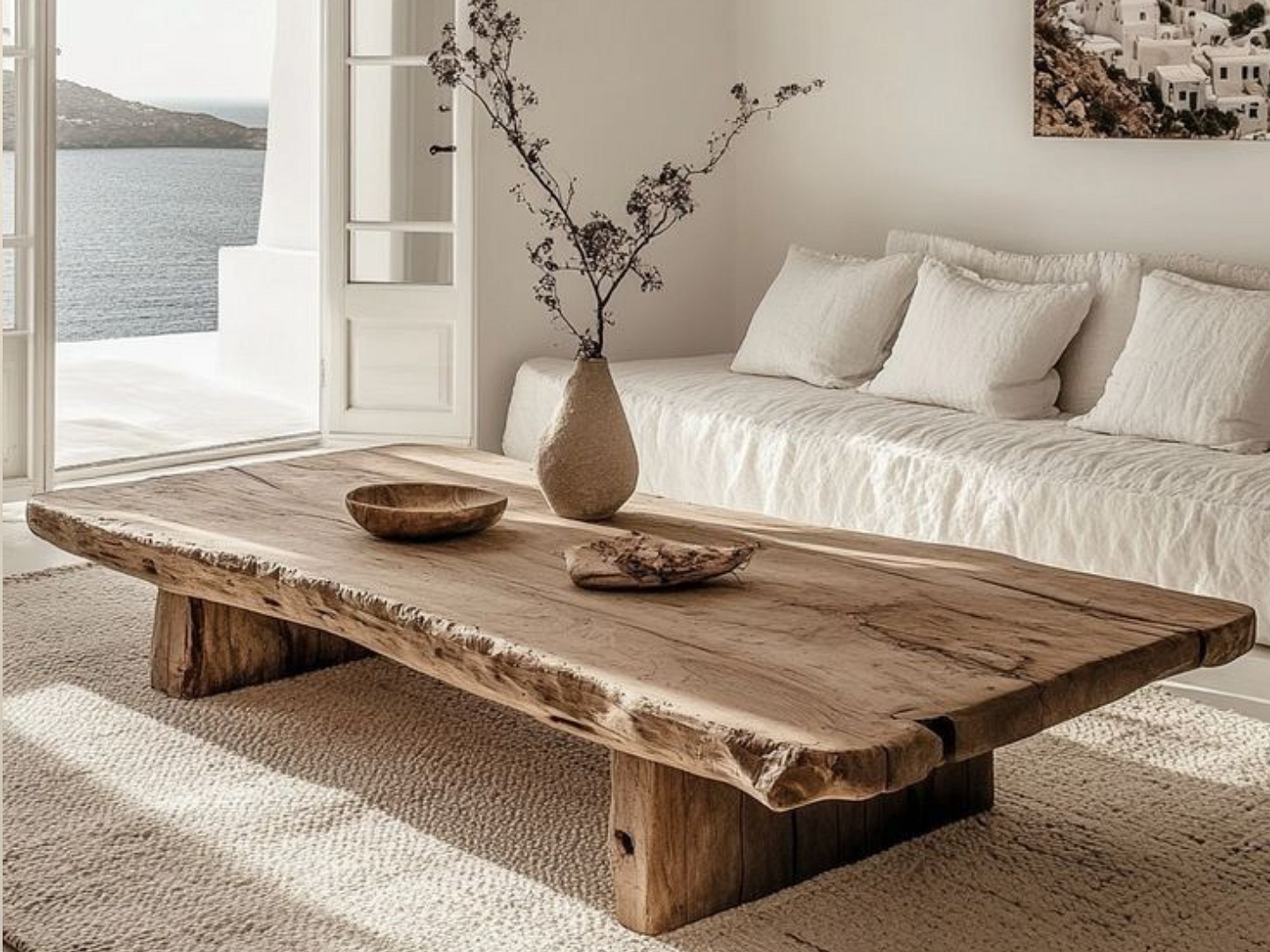
THE JAPANDI STYLE
JAPAN MEETS SCANDINAVIA
The Japandi-style, born from the convergence of Japanese aesthetics and Scandinavian design, is increasingly appealing to interior design enthusiasts. Minimalist, functional, and warm, this decorative trend creates soothing and functional interiors. Let's discover the origins, principles, and key elements of this trend.
ORIGIN AND CONTEXT
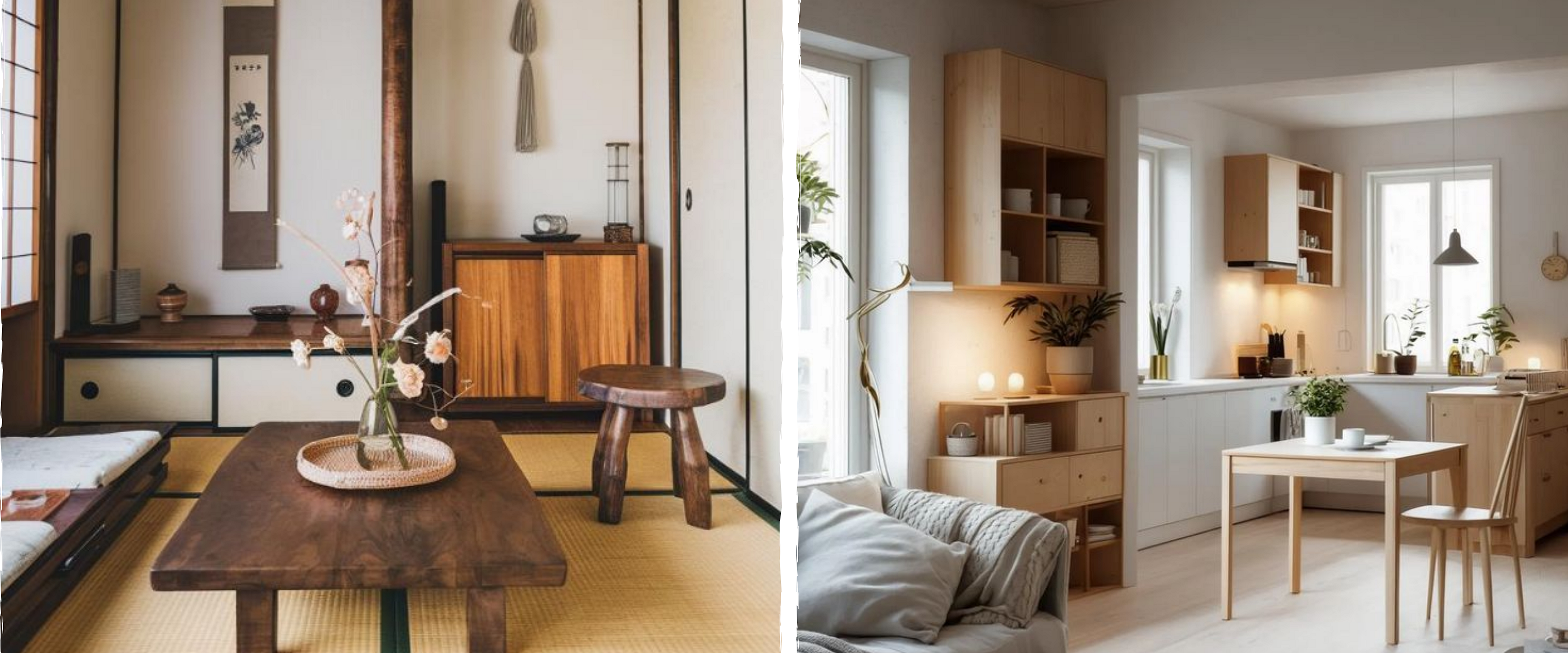
Japandi is a relatively recent interior style. It emerged in the 2010s and gained popularity between 2017 and 2018, particularly thanks to social media. Since this year, a trending style! This tendency is a true blend of two philosophies:
- Japanese wabi-sabi, which combines beauty in simplicity and imperfection.
- Nordic design represents a true way of life focused on comfort, warmth, and well-being.
Together, they respond to a mutual aspiration: the art of living more slowly, more serenely, while remaining closer to the essential.
THE BASIC PRINCIPLES OF JAPANDI
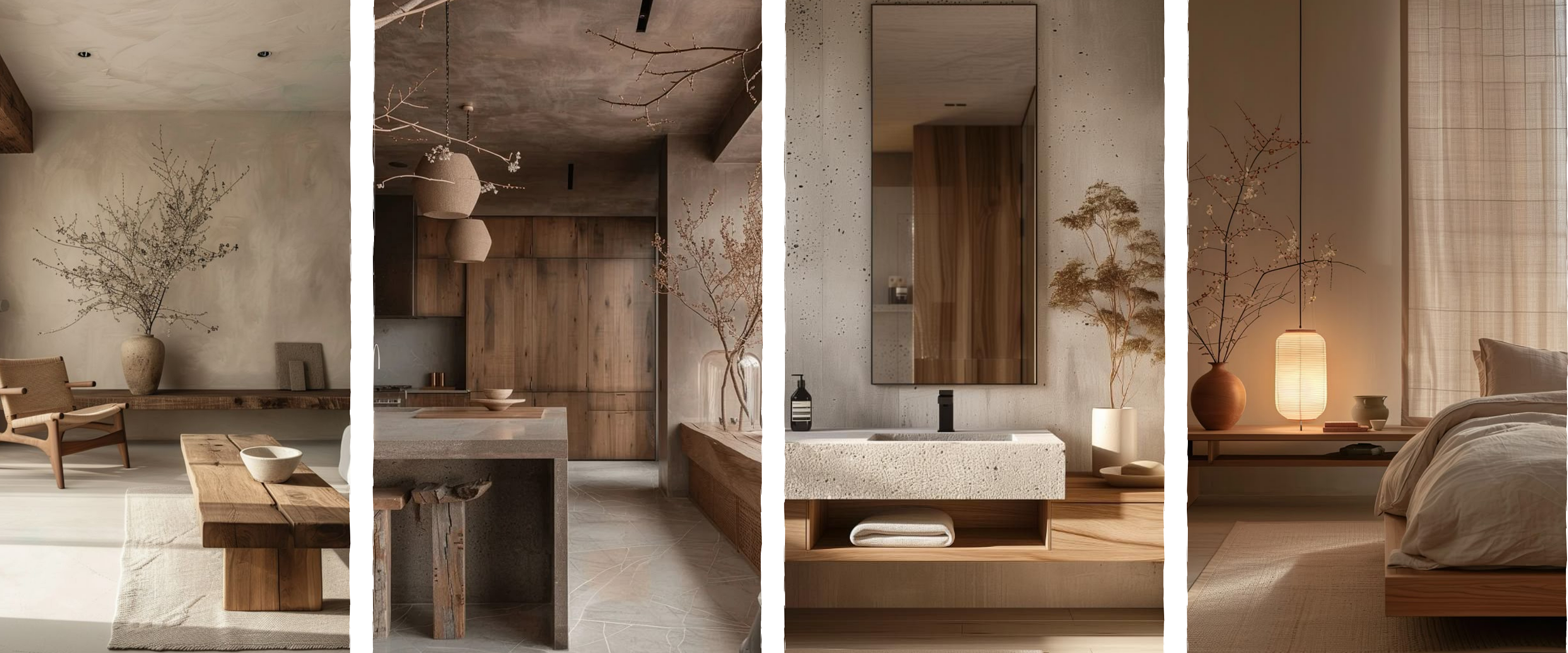
Intentional minimalism: less, but better.
Japandi design isn’t about removing everything, it’s about keeping only what truly matters. Each item in the space is carefully chosen for its quality, purpose, and beauty. There’s no clutter, no distractions, just essential, thoughtful pieces that contribute to a calm and balanced atmosphere.
Function over excess: everything has a purpose.
In Japandi, functionality comes first. Every piece of furniture or decor serves a role, whether practical, emotional, or aesthetic. Nothing is added just to fill space. This creates a sense of clarity and order in the home, where each element feels intentional and useful.
Clean, simple aesthetics: open spaces with calm energy.
Japandi style favors open, airy rooms with lots of breathing space. Lines are clean, shapes are simple, and colors are soft, all of which contribute to a sense of visual peace. The design avoids anything too flashy or complicated, promoting a smooth, grounded energy throughout the space.
KEY ELEMENTS
Typical Color Palette
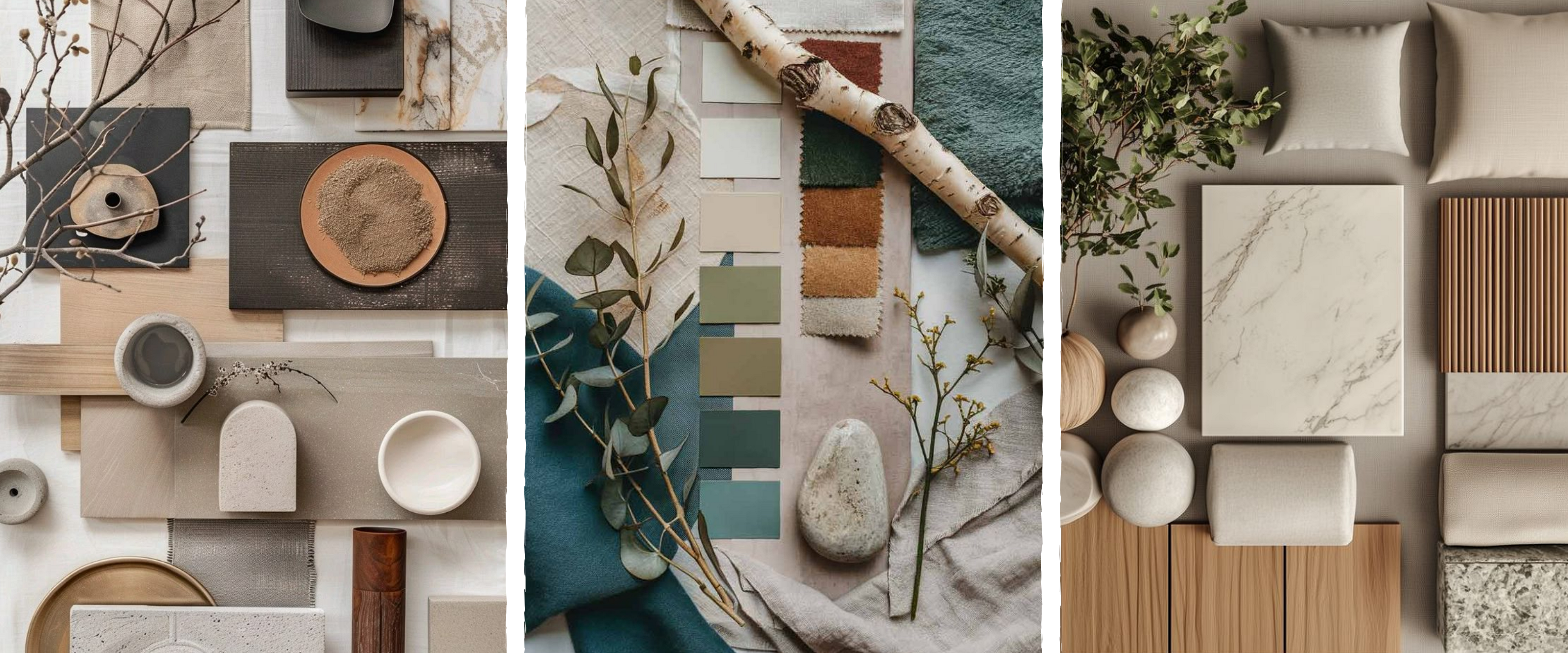
Japandi emphasizes soft, natural hues with neutral tones such as beige, off-white, light grey, and pale wood, accompanied by subtle contrasts such as black and dark wood, all in natural harmony for a Zen and soothing atmosphere.
Materials Used
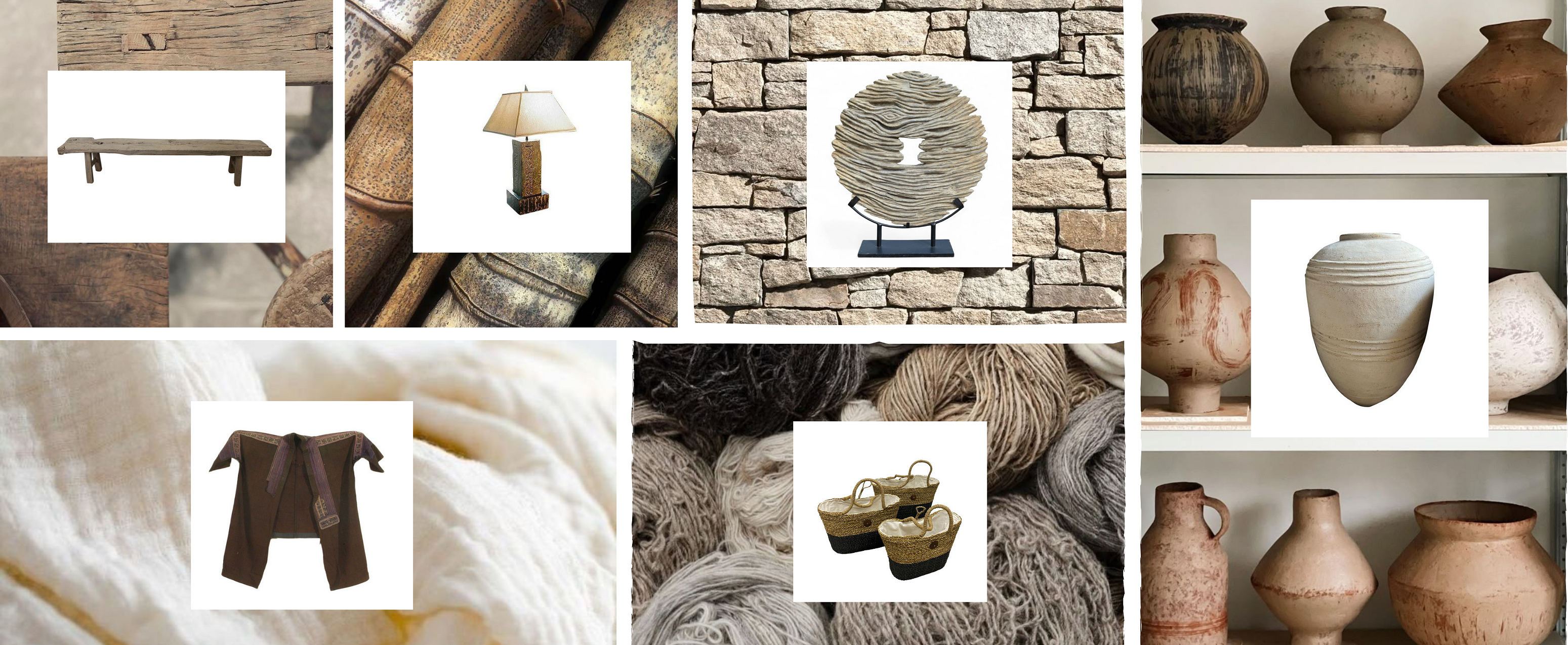
Choice of materials are essential in Japandi, highlighting the use of wood, cotton, wool, ceramics, stone, and bamboo while avoiding plastic, shiny materials, or industrial materials. This style offers both a visual and sensory experience thanks to its handmade design and natural textures.
Furniture and Decor
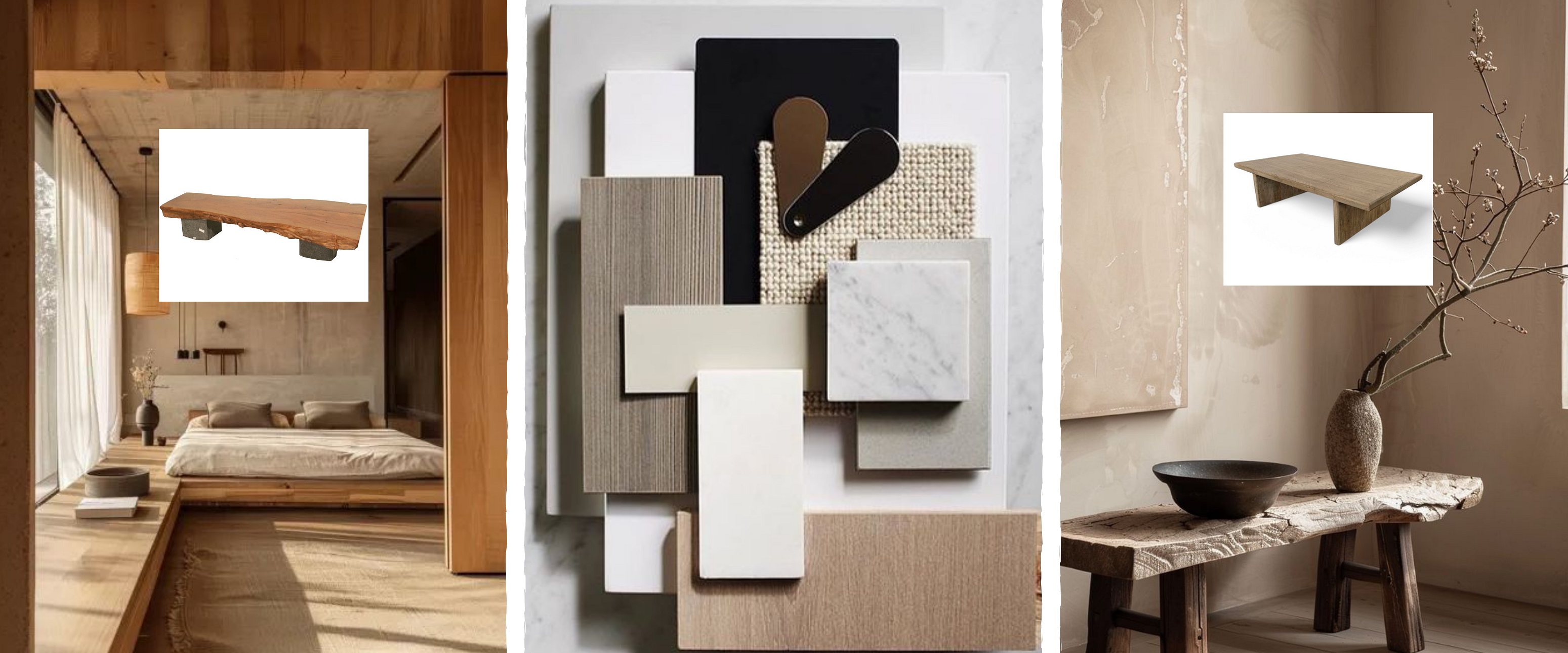
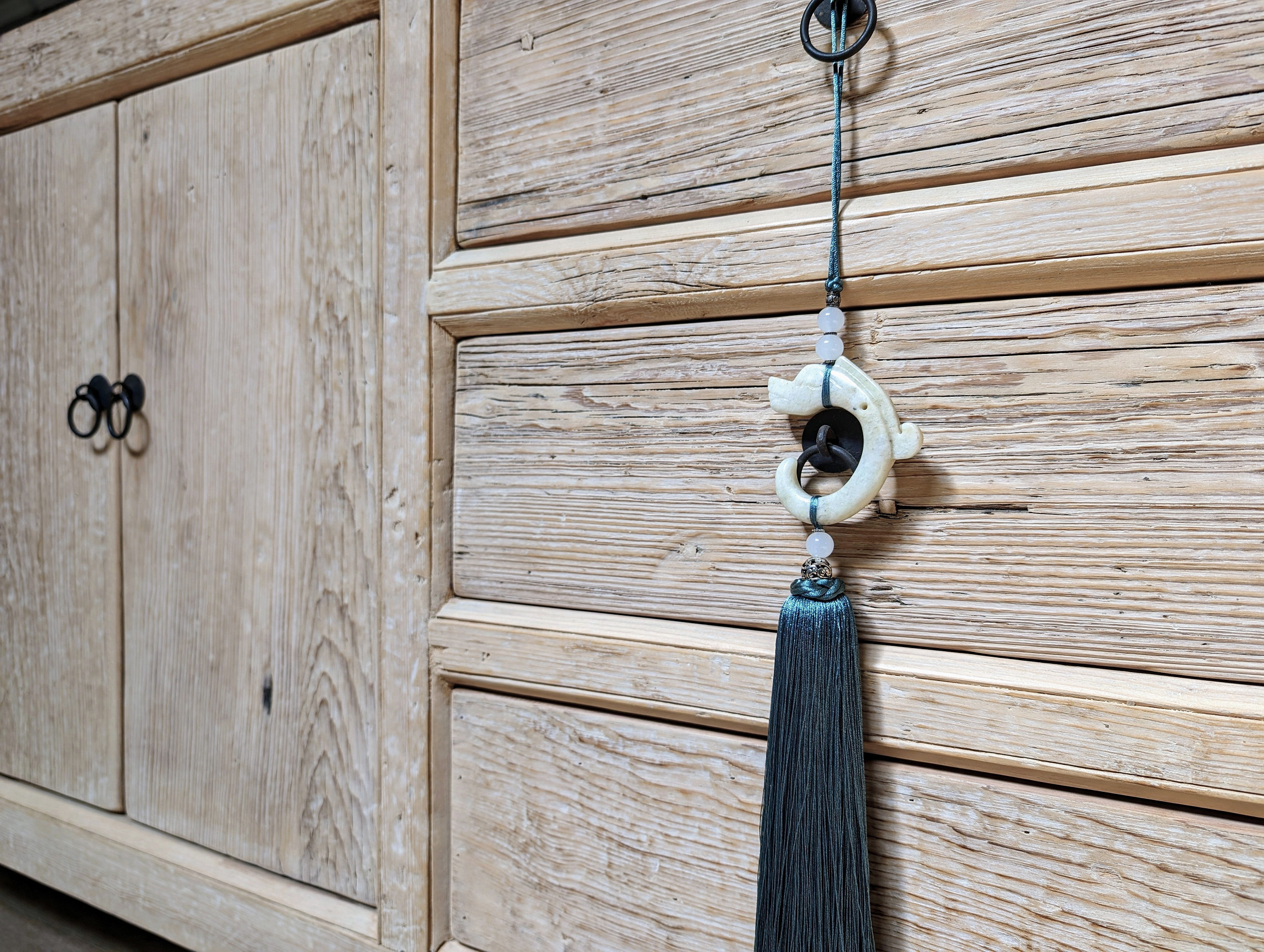
In terms of furniture, Japandi leans toward low, comfortable furniture with simple, clean lines, along with handcrafted, sometimes imperfect objects that tell a real story. It also embraces discreet decoration by including a little greenery, plenty of natural light, and very little clutter.
OUR JAPANESE ROOTS
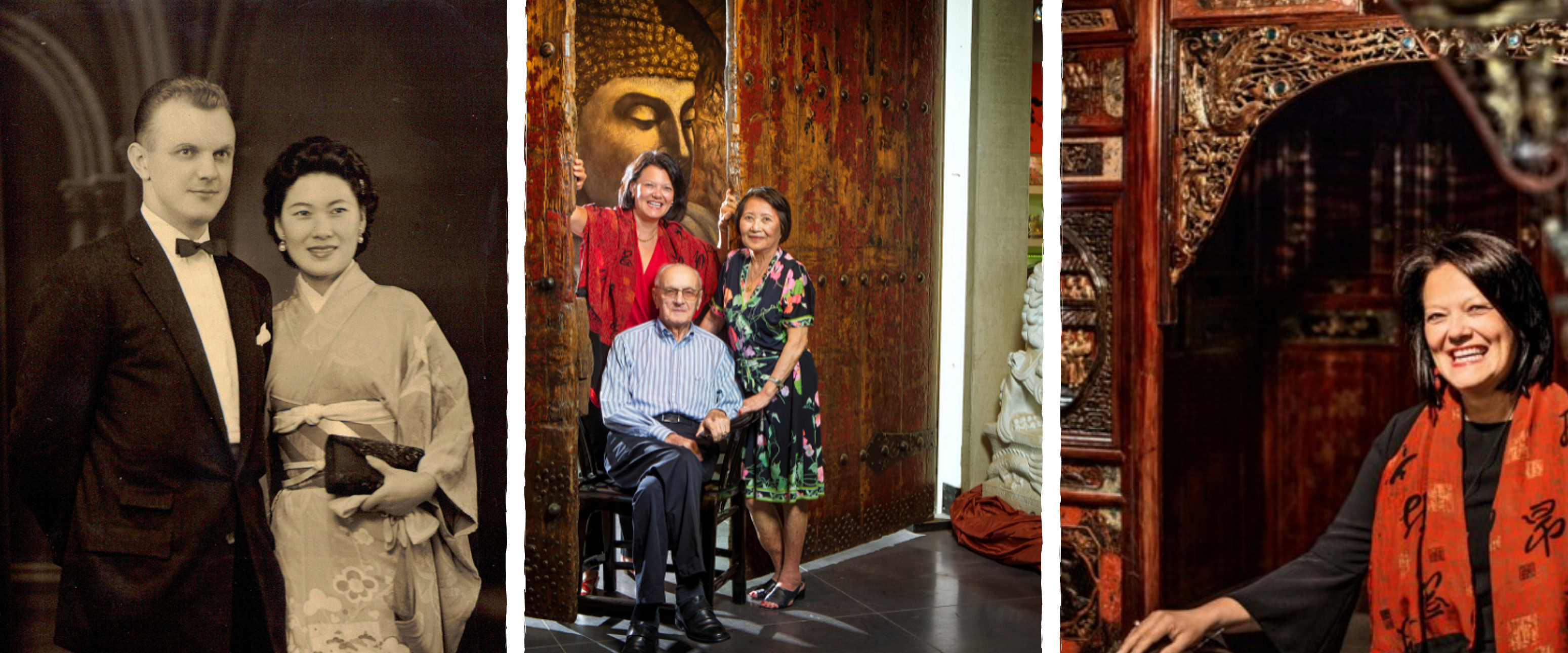
Pagoda was founded by Betty (Akiko), a Japanese woman passionate about interior, and her husband Raymond, a Belgian entrepreneur. They fell in love in Tokyo and moved to Belgium where they founded the company together in 1964. Today their daughter, Ingrid Engels - our current CEO, proudly continues their vision today.
For over 60 years, we’ve been curating unique pieces from Asia, a timeless match with the serene elegance of the Japandi aesthetic. We are thrilled to see the Japandi style growing in popularity. This blend of clean Japanese minimalism and warm Scandinavian design perfectly reflects our core values.
Japandi is more than just a decorative style; it's a way of life. It strikes a balance between visual beauty and well-being, between naturalness and refinement. Perfect for those who desire a peaceful, refined, warm, and functional interior with a calm, Zen, and inviting style. It creates a natural, elegant, aesthetic, comfortable, and intentional home.
-
 Order in time to receive your items before Christmas
-
 Visit us at Maison&Objet in January 2027
-
 Annual Summer Holiday
-
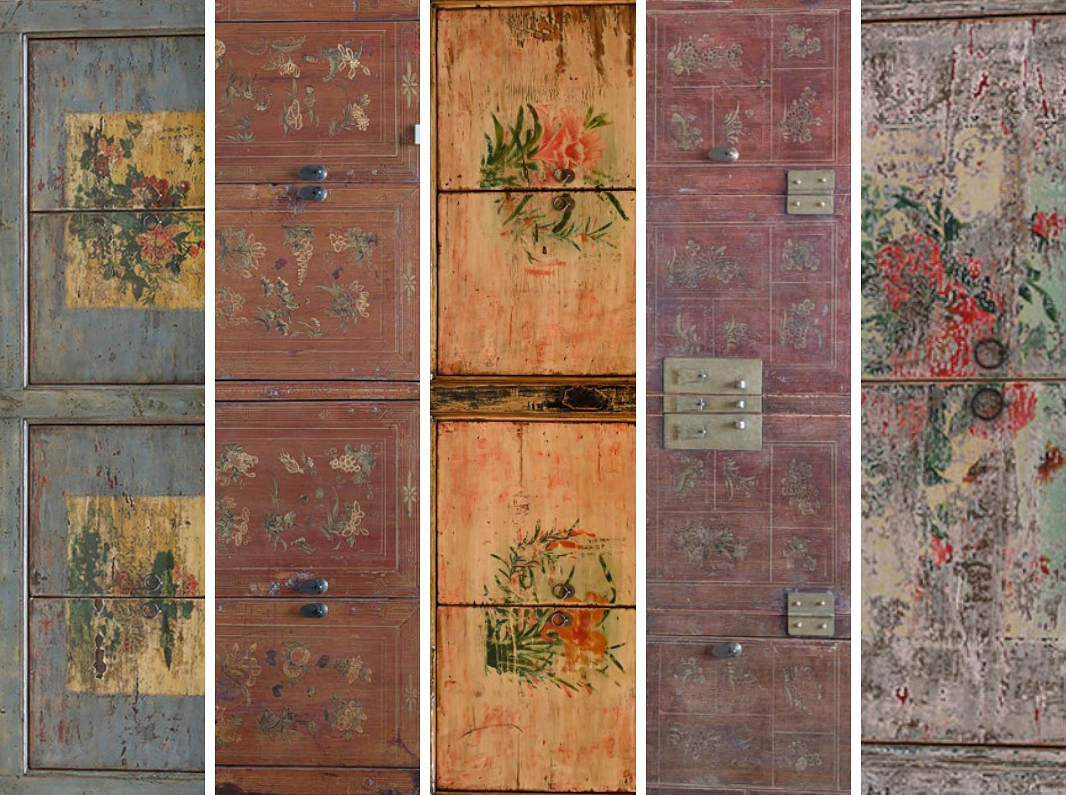 Curated collection of original pieces with hand-painted illustrations
-
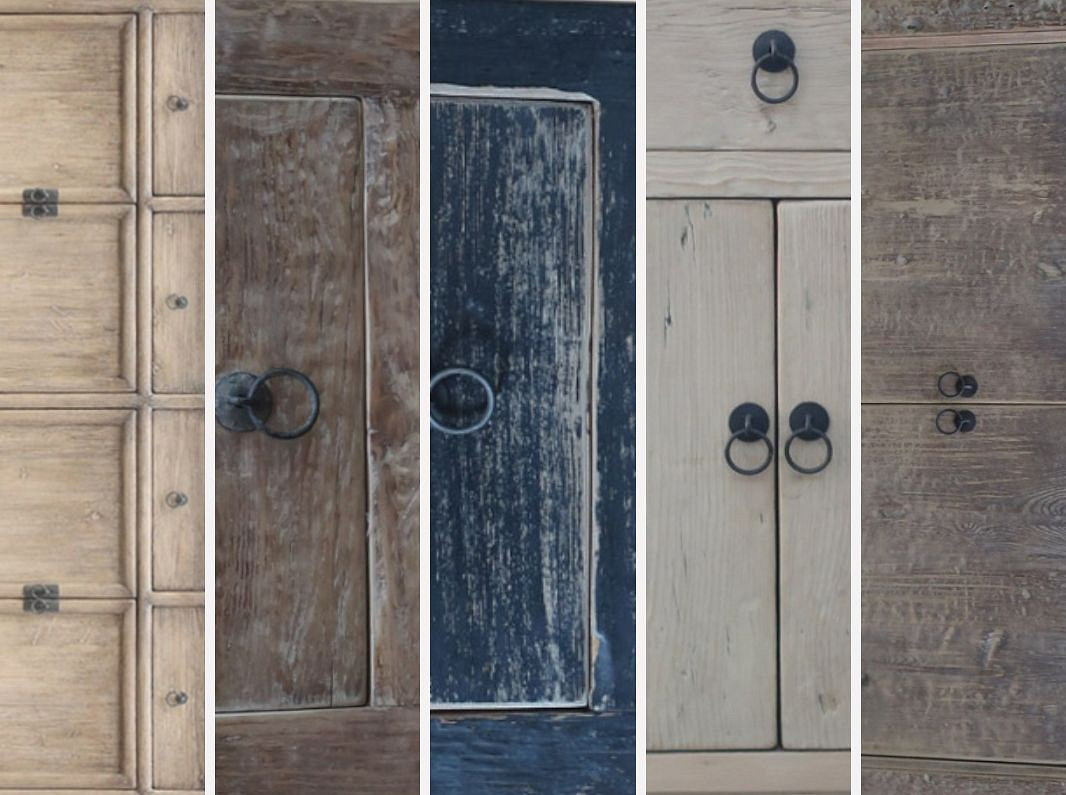 Upcycled Collection & Finishes
-
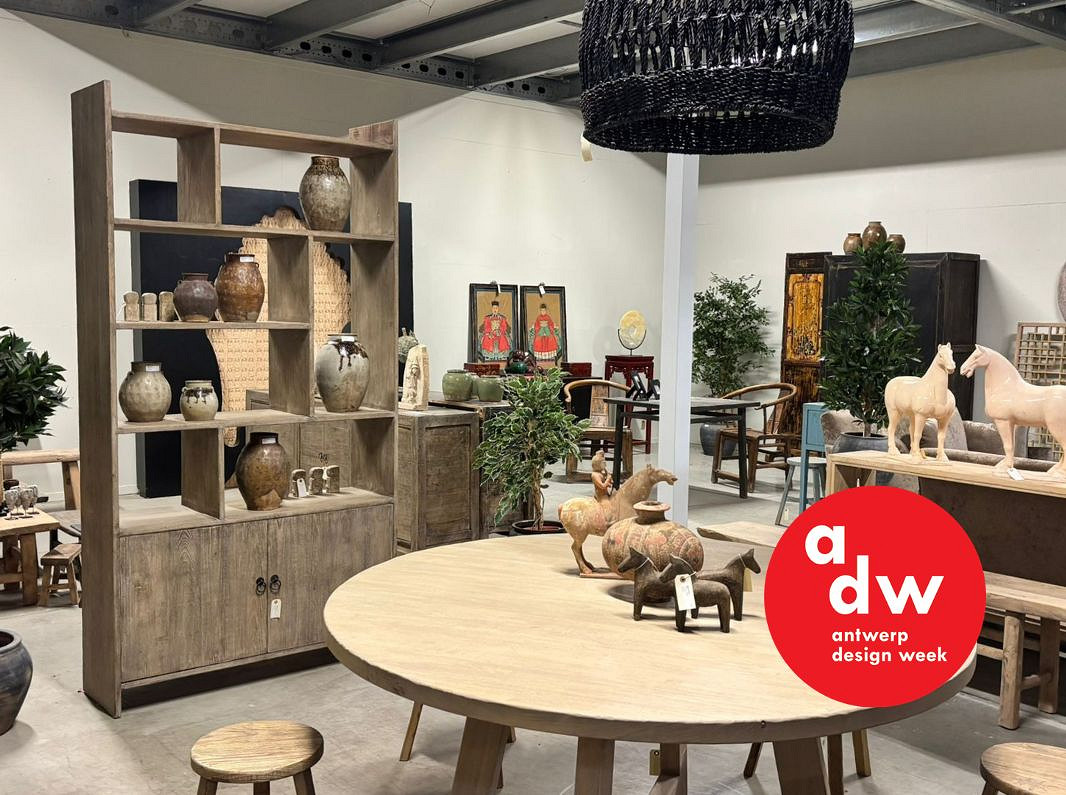 VIP DAYS
-
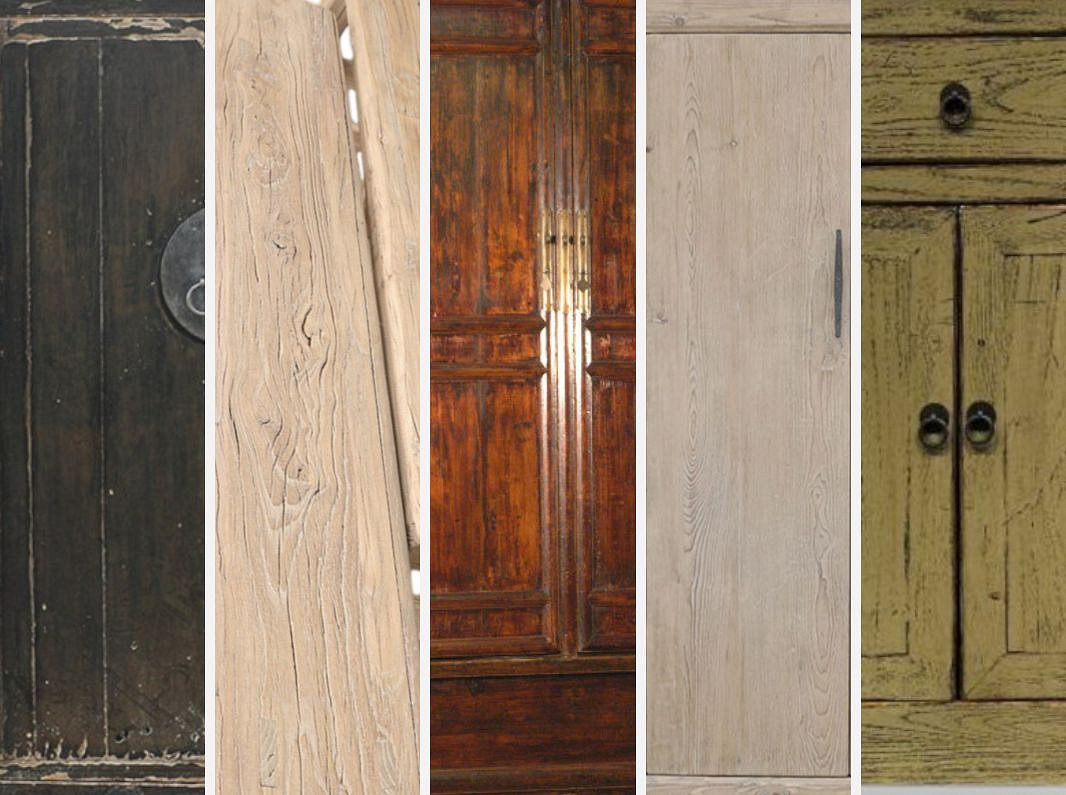 Our Collections
-
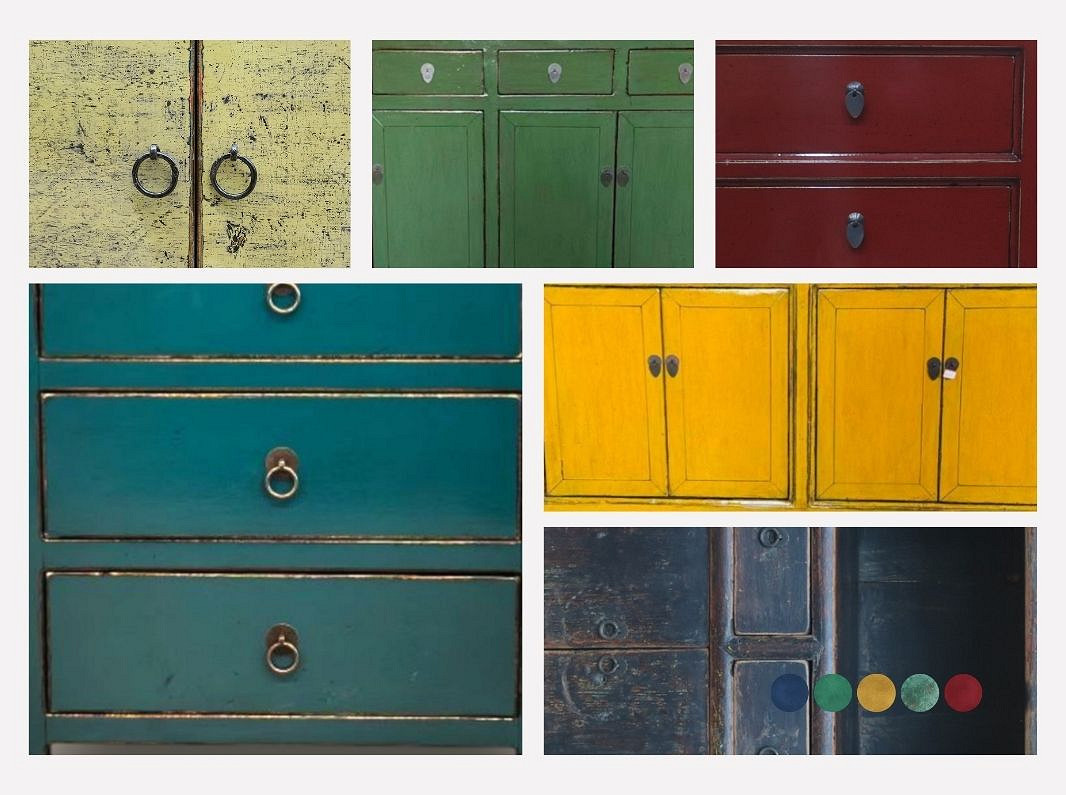 Color trends SS26
-
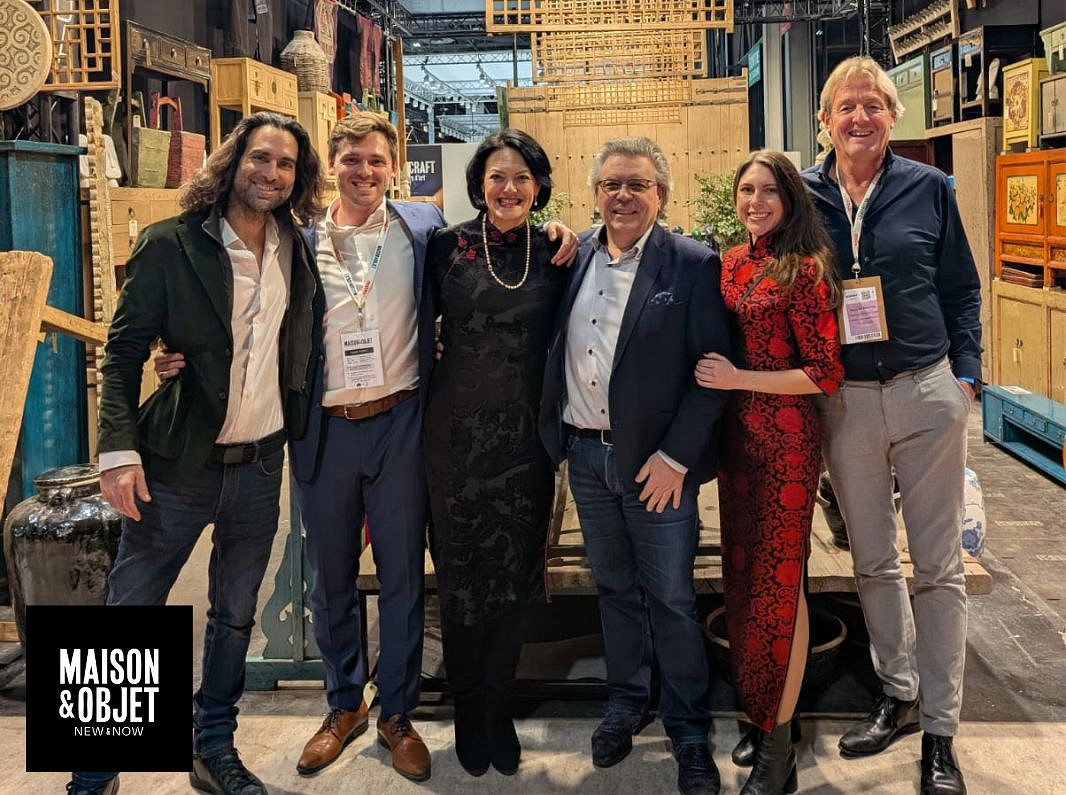 Mark your calendar for Maison&Objet September 2026
-
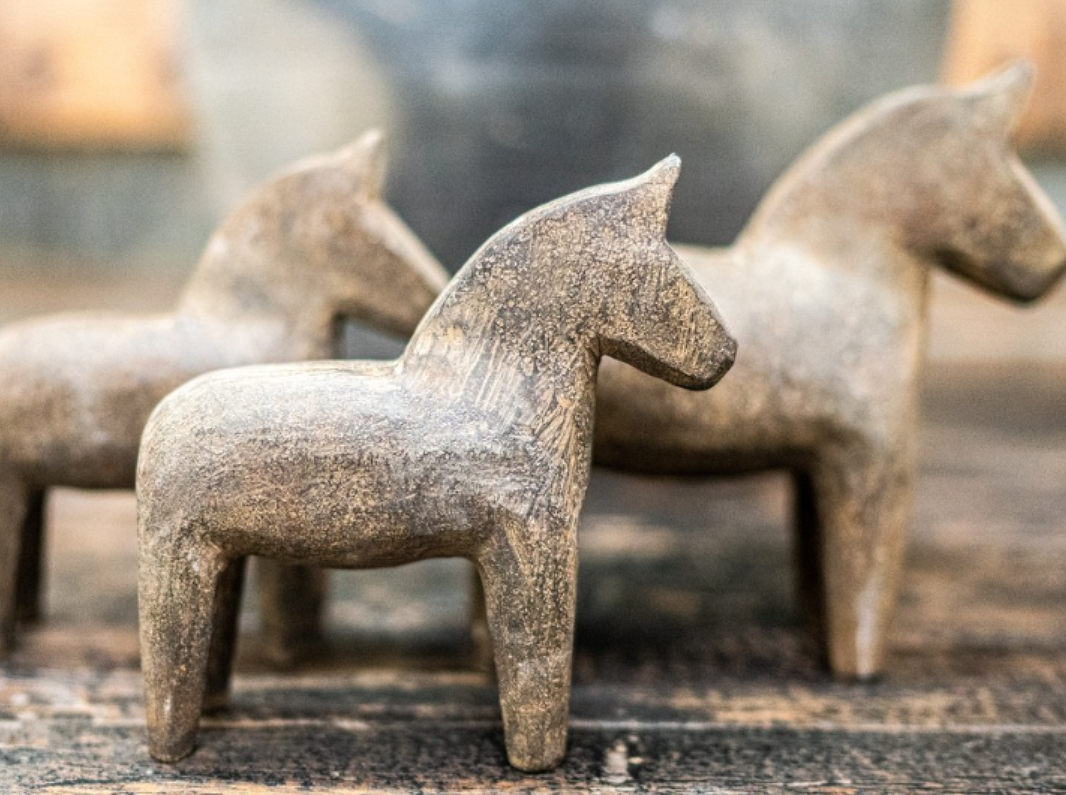 Happy Chinese New Year of the Horse
-
 Treasure hunting in China: Mini-series
-
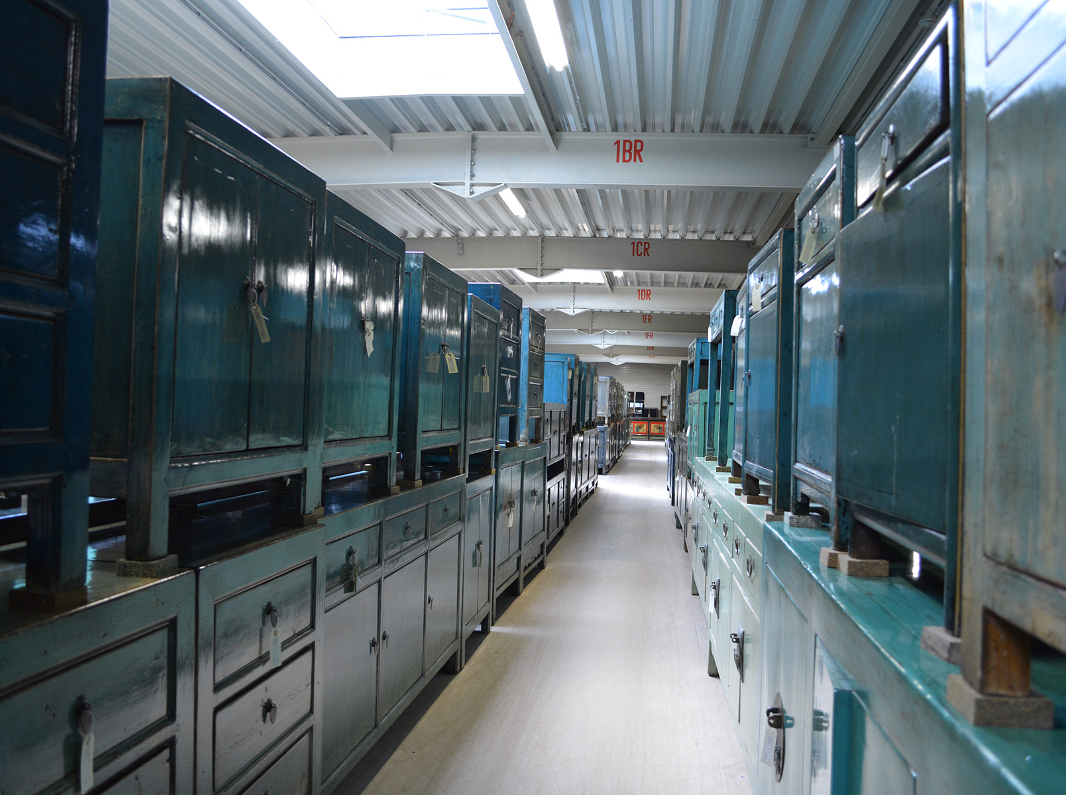 Order in time to receive your items before Christmas
-
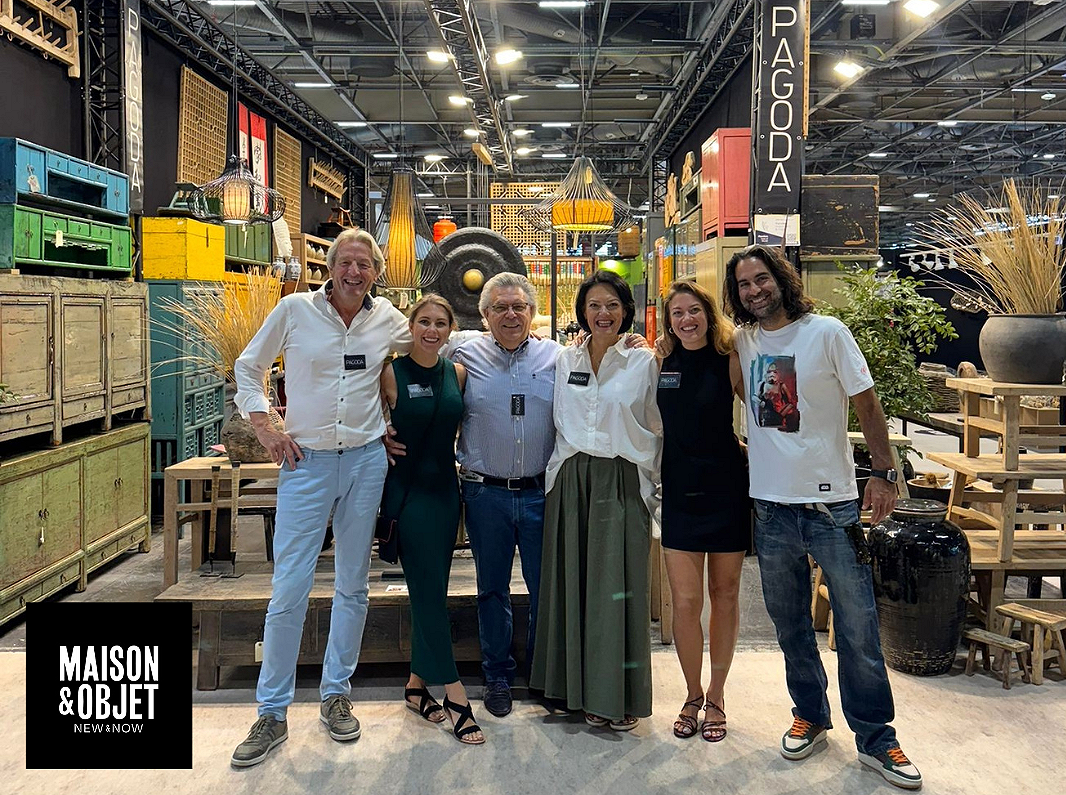 Mark your calendar for Maison&Objet Januari 2026
-
Japandi Style: The interior trend that unites minimalism and elegance
-
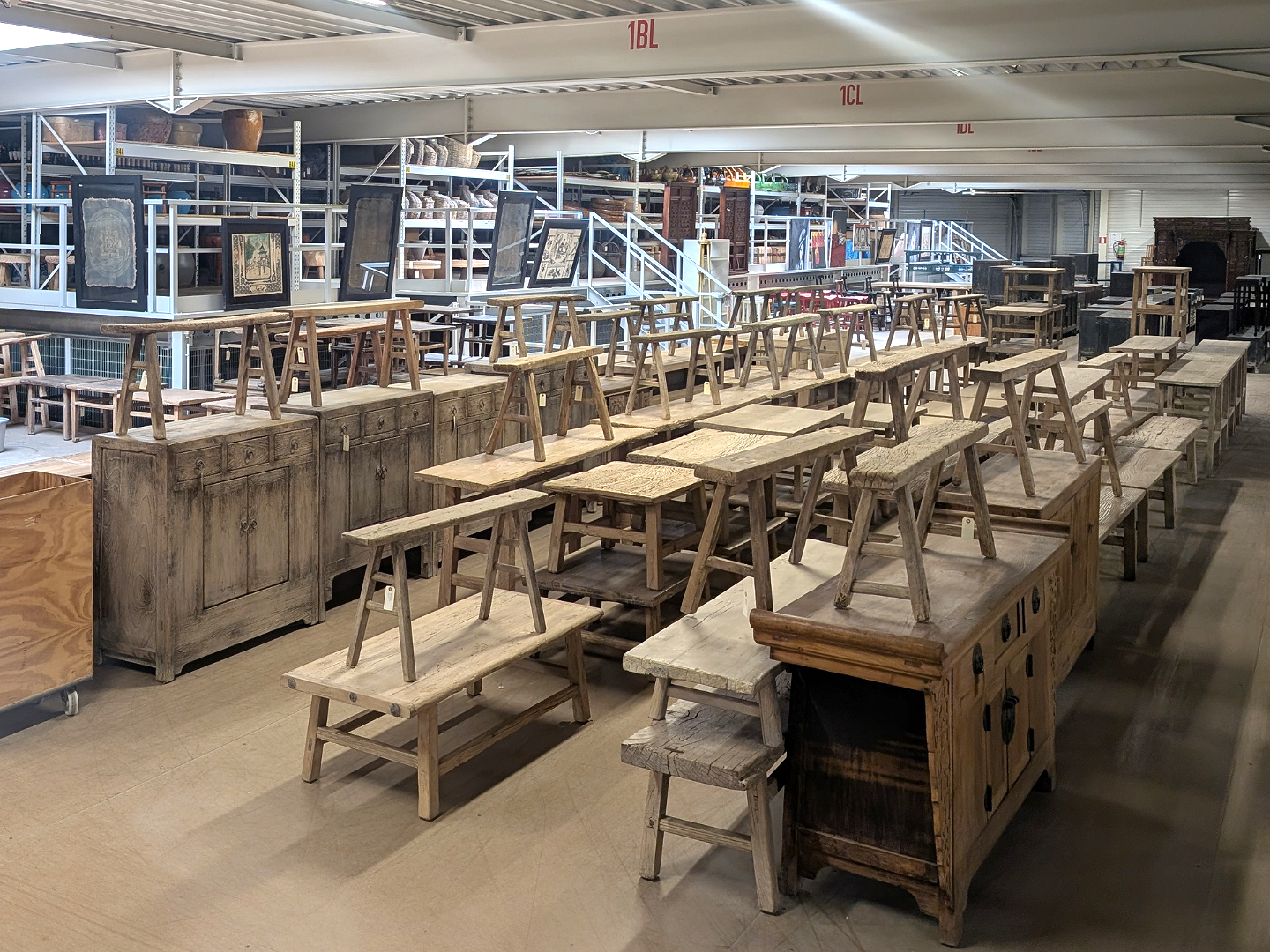 Order now to get your items before summer
-
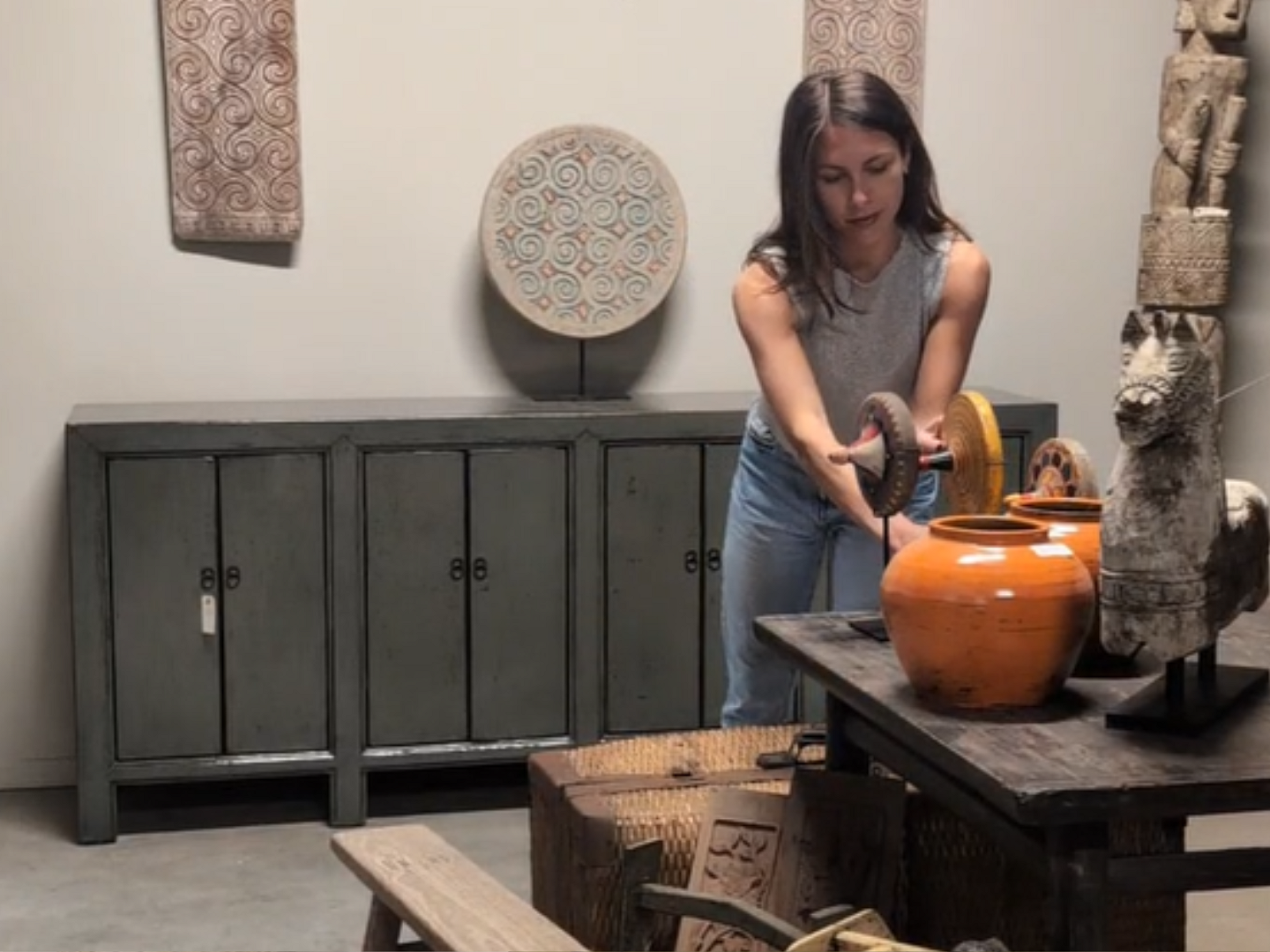 Our decoration pieces from Indonesia have just arrived
-
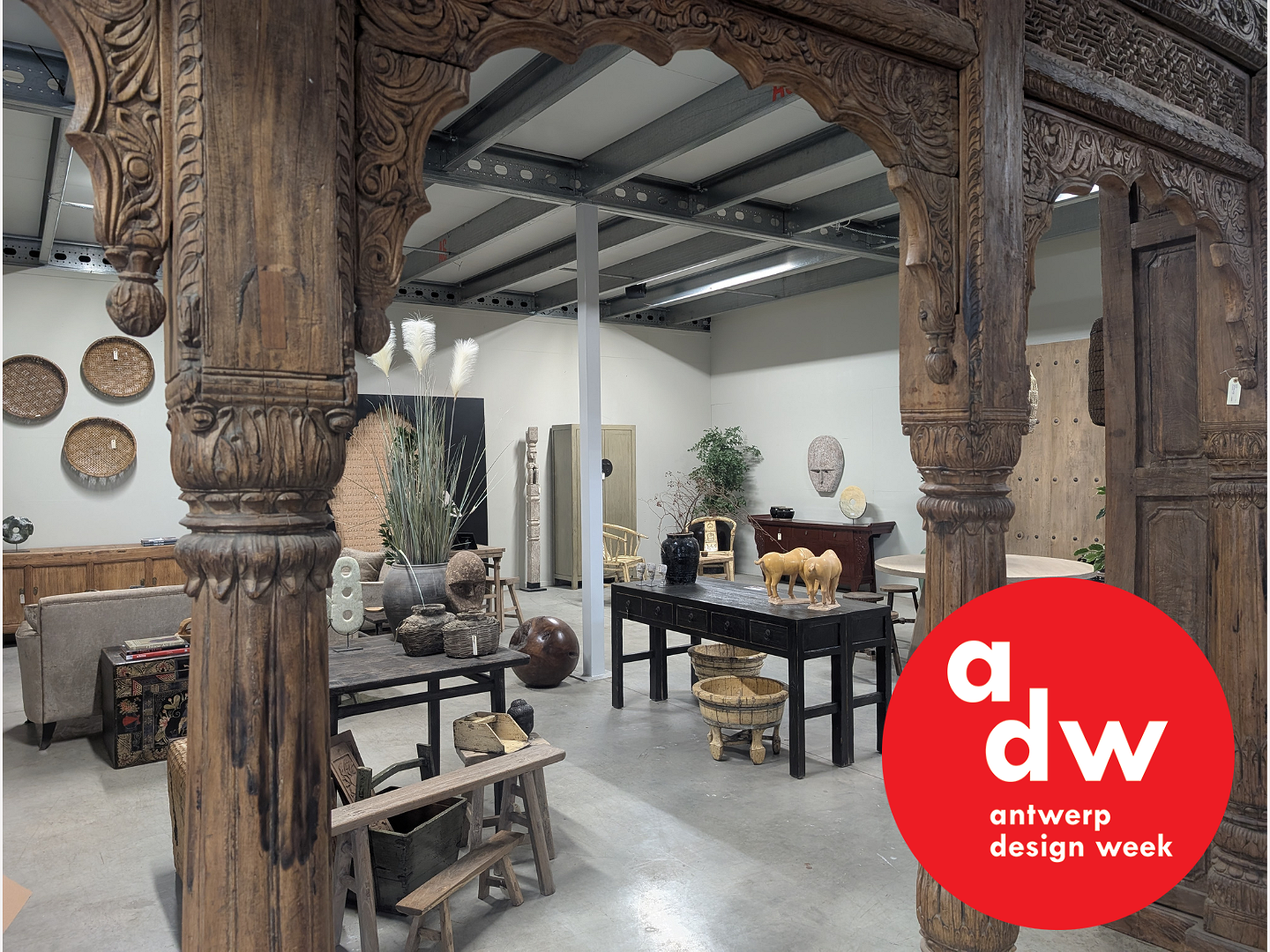 VIP Days: Open Warehouse & Antwerp Design Week
-
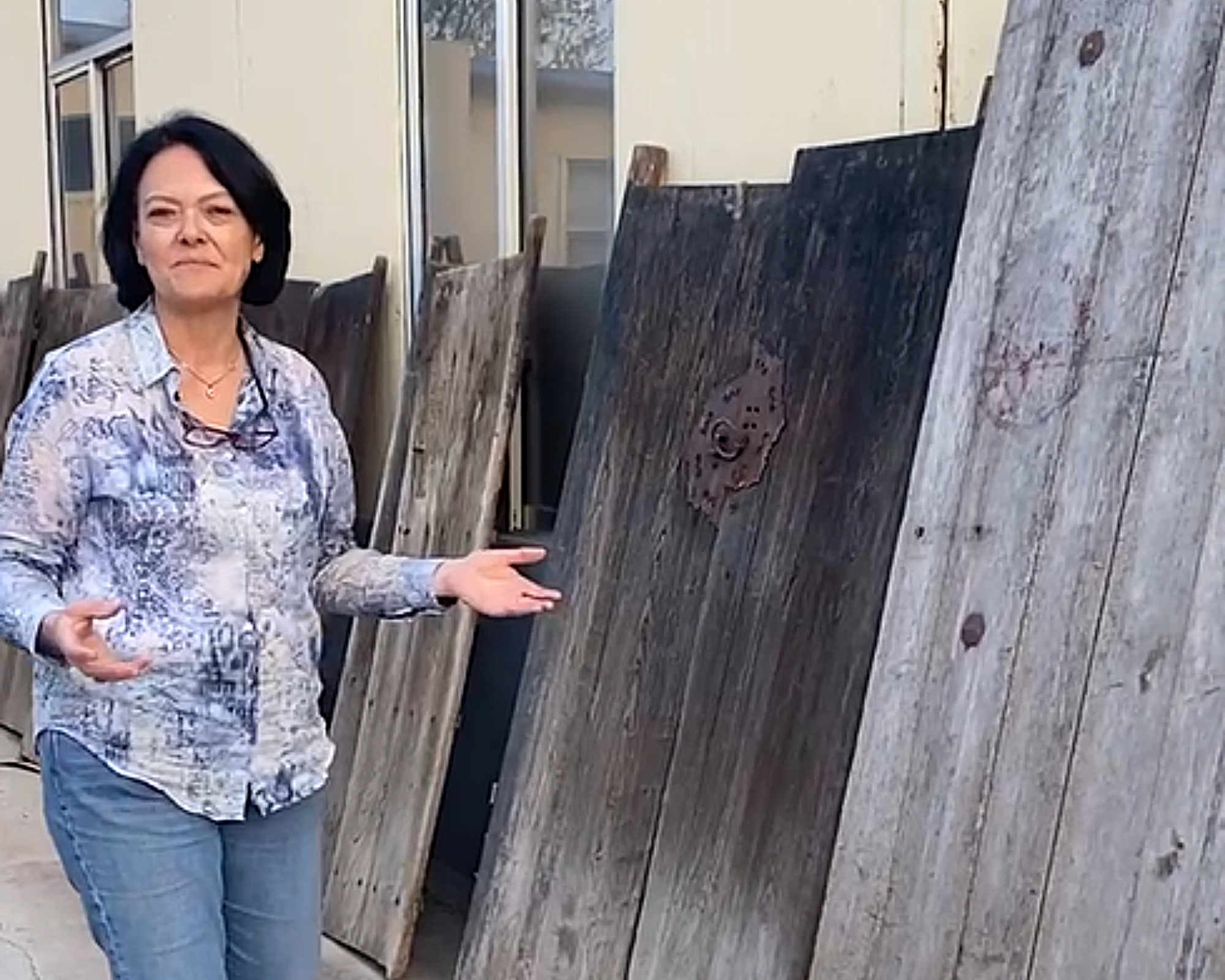 Behind the scenes: Upcycling old Chinese doors
-
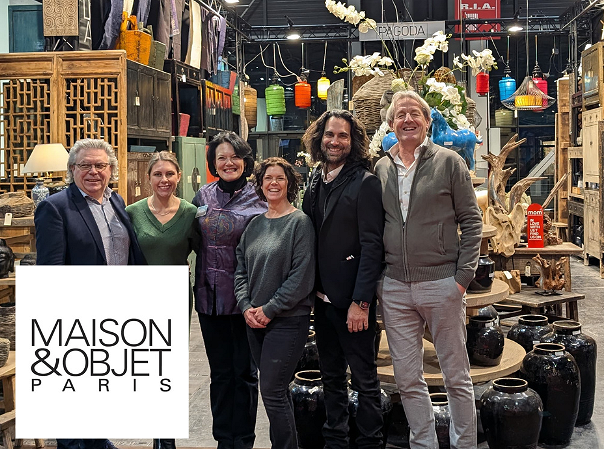 Visit us at Maison&Objet in September 2025
-
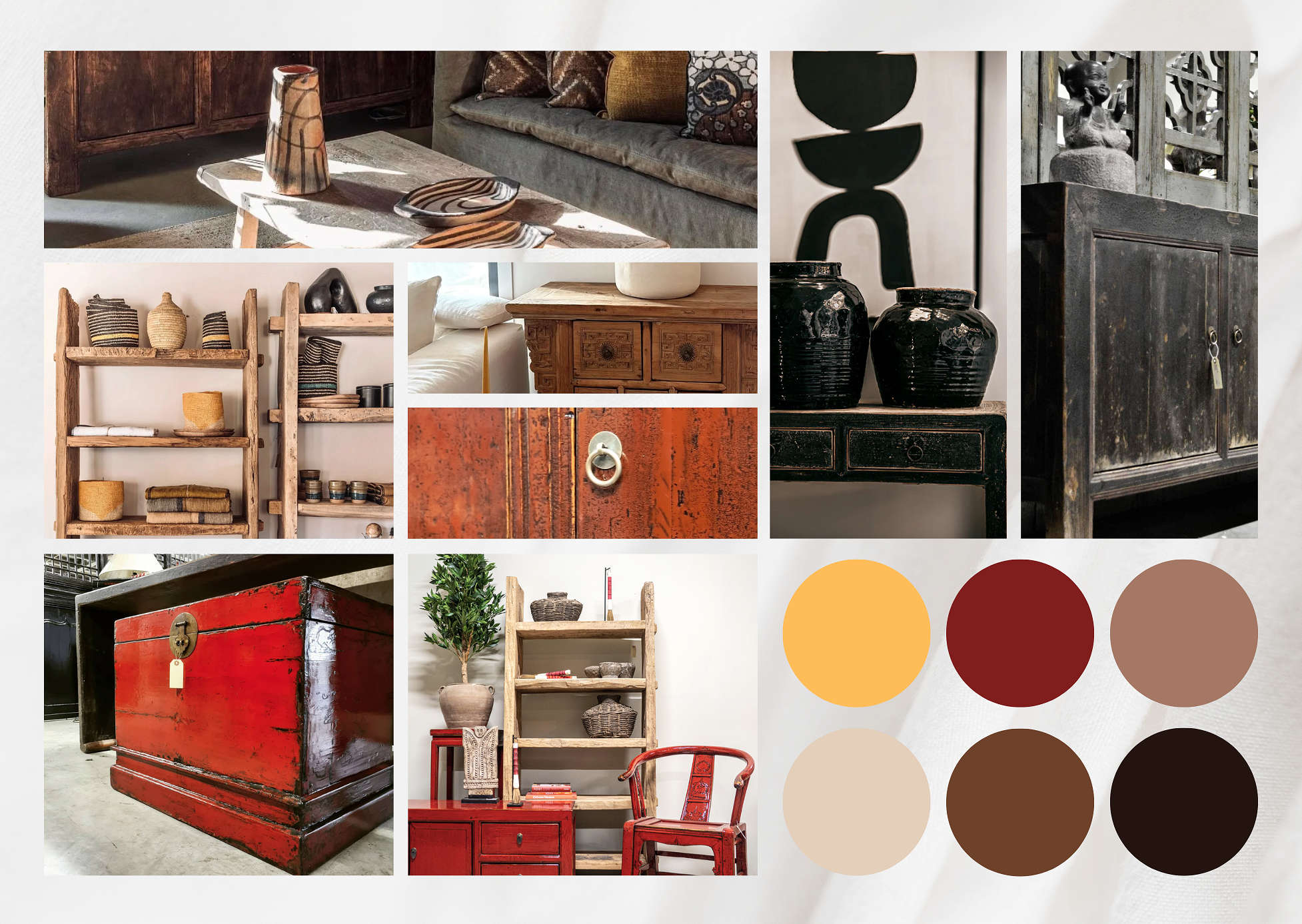 Interior Trends of 2025
-
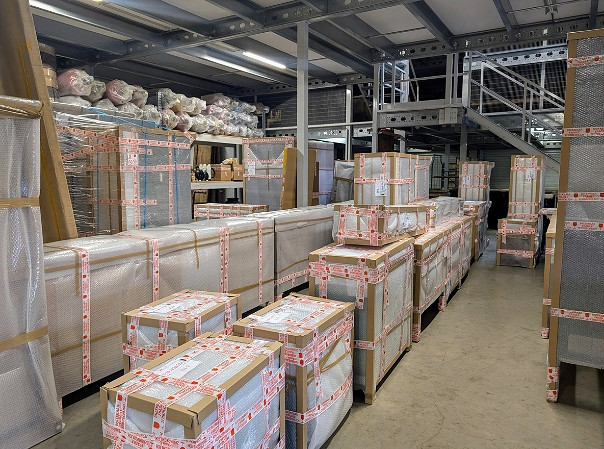 Order in time to receive your items before Christmas
-
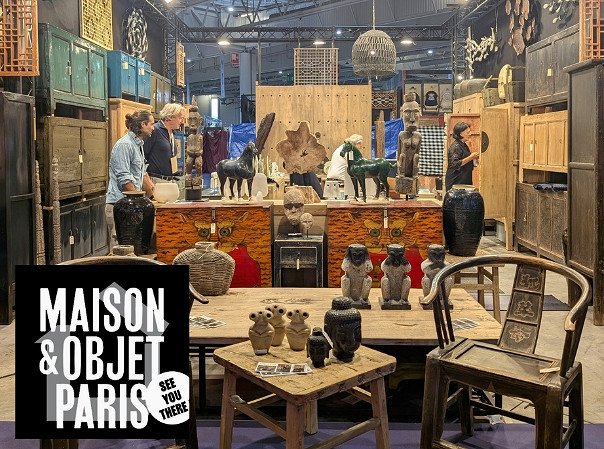 Mark your calendar for Maison&Objet Januari 2025
-
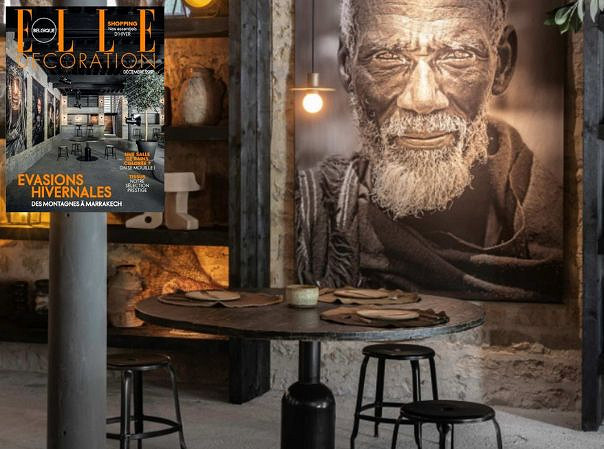 PAGODA International in Elle Décoration December 2023
-
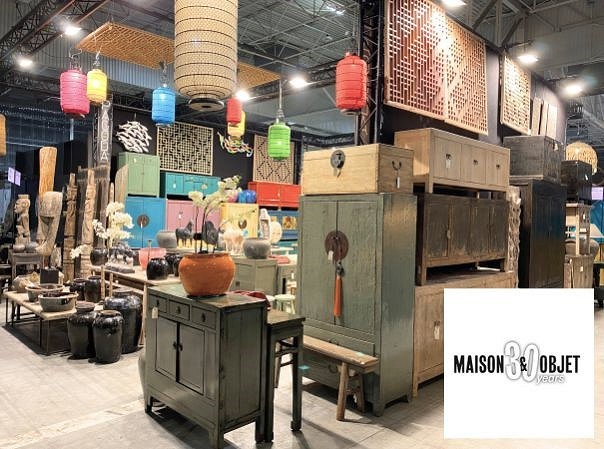 Let's meet at Maison&Objet in September 2024
-
 Happy Chinese New Year of the Dragon